Do it for yourself. Do it for your family.
Stop leaving money on the table.
+63 917 798 1959
No pressure. 100% FREE to start.
Published: December 25, 2025
Author: Veterans Claims Analytics Team
Veteran suicide rates remain alarmingly high at 32.0 per 100,000 nearly 1.5 times the non-veteran rate with women veterans facing a 2.1 times higher risk. The number one trigger? Financial stress, with studies showing 1 in 3 wounded vets experiencing it report suicidal thoughts, and more than 1 in 4 considered suicide in the past year. The VA keeps requesting billions more for suicide prevention, but how about addressing root causes like denials that worsen financial strain? Processing is up (record claims in 2025), but denials are through the roof at around 38%, with OIG audits revealing 75-84% errors in complex claims. The VA does not retroactively notify or correct the vet unless they file a Supplemental Claim or Higher-Level Review leaving errors unaddressed. But how many vets just give up? Estimates suggest up to 60- 70% of initial denials aren't appealed, letting flawed decisions stand.
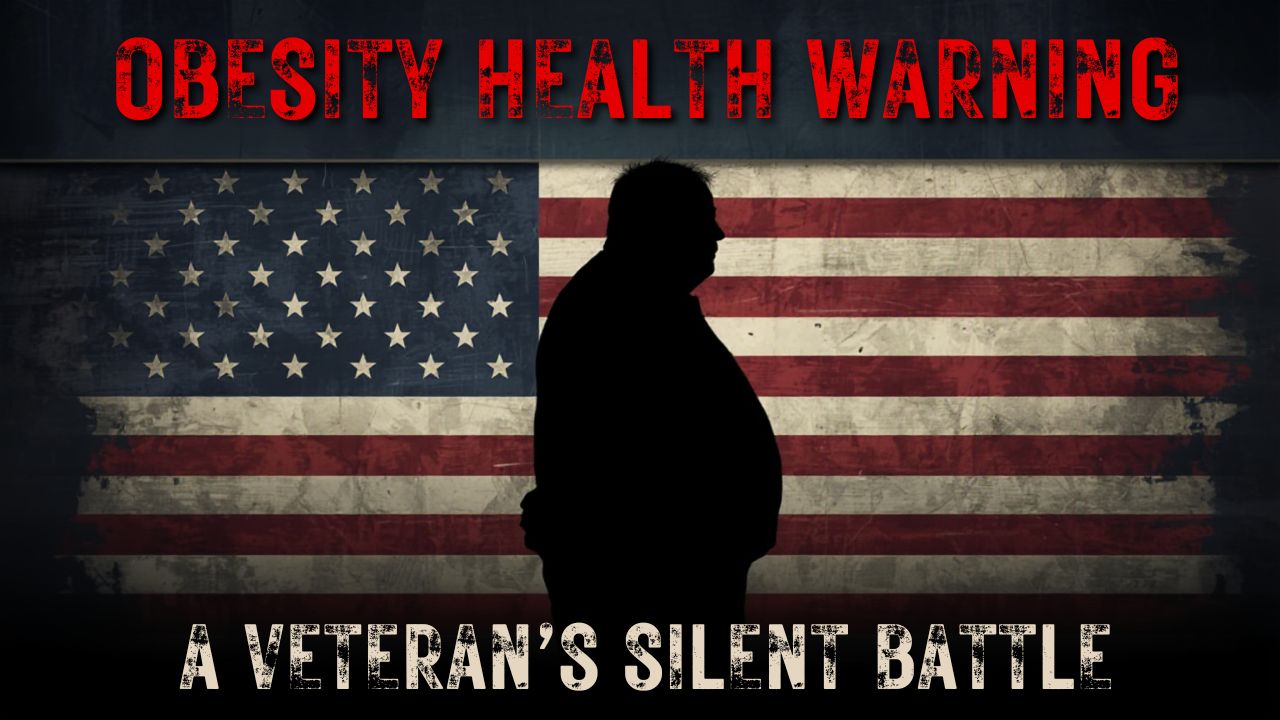
Heres another glaring example: Obesity-related claims. As in my previous article on VA denial reasons, the system defaults to "no," ignoring evidence. Your denial letter says "obesity is not service-connected," "anatomical reasons," or "multifactorial"? Thats the pattern raters and contractors dismiss obesity as unrelated, even when SC conditions like PTSD meds or back pain cause or aggravate it.
In too many cases, examiners resort to shaming language blaming weight gain on poor personal choices like "eating too much candy" or "overeating," completely disregarding how service-connected pain, limited mobility, or medication side effects make exercise impossible and contribute to the problem. This dismissive approach shows a failure to connect the dots: service-connected issues reduced activity or metabolic changes obesity aggravation secondary conditions.
The VA already has precedents like VAOPGCPREC 1-2017 (obesity as "intermediate step") and Walsh v. Wilkie (2020, including aggravation), but they routinely ignore them. Contractors focus on medical severity without legal training, leading to bogus denials like "no direct causal link" that skip the chain entirely.
The July 2025 Adams v. Collins ruling forces change: Obesity can be a disability if it impairs function and earning capacity, demanding individualized reviewsno more blanket exclusions. This vacates outdated denials, giving vets ammo to appeal and hold the VA accountable, especially for secondaries.
Now, vets can file stronger claim conditions like:
Their unaccountable denial system exacerbates the problems they claim to solve with budget hikes. Systemic failure at its worst.
Obese Veterans struggling with mobility often using canes due to service-connected conditions aggravating weight gain:

/arc-anglerfish-arc2-prod-mco.s3.amazonaws.com/public/ZIS5LKVIFFDYPBAIFQHC5OTJ7M.jpg)
At VCAnalytics.ai, as a retired CPA with a deep focus on root-cause analysis, I personally handle all denial research, analytics, and probabilities using AI-driven insights to uncover hidden patterns and maximize success odds. We offer free assessments of denial letters and records our mission is pure education and analysis so veterans can file stronger claims on their own (solo or VSO, with limited help). I dont push vets off to foreign call centers; stay in the driver's seat and avoid scams that outsource your claim to overseas operations promising miracles for fees. CONTACT: support@vcanalytics.ai | www.vcanalytics.ai
If in crisis, call 988.
The information provided on this website and blog is for educational purposes only and does not constitute legal advice. It is not a substitute for professional legal counsel or representation by a VA-accredited attorney or claims agent. Every veterans situation is unique. Results are not guaranteed. Always consult with a qualified professional for advice specific to your claim. VCAnalytics.ai is not affiliated with the Department of Veterans Affairs.
(Word count: 498)